Why Hotel Videos Don't Sell (And What Actually Does)
Guests don't book rooms. They book who they become when they arrive. Here is why amenity montages fail, and the FEEL Framework that fixes it.
Your resort video has a drone shot of the coastline. A couple laughing at breakfast. Cocktail close-up, condensation on the glass. A slow push into a suite, curtains breathing in the wind.
I know that without watching it. So does everyone who scrolls past it.
That is not a film. It is an inventory. And an inventory has never made a single human being book a flight.
The one-line answer: guests do not book rooms. They book the version of themselves they become when they arrive. Features cannot sell that. Only a story can.
The video I can describe without watching it
I have watched hundreds of hotel and resort videos. I produced a good number of them, across eight years as a senior producer on Fortune 500 brand films, including Marriott. I have a Telly Award for cinematography.
So believe me when I tell you the footage is not the problem. It is usually gorgeous. The color is clean, the drone work is smooth, someone spent real money. And it still does not book rooms, because a beautiful list is still a list.
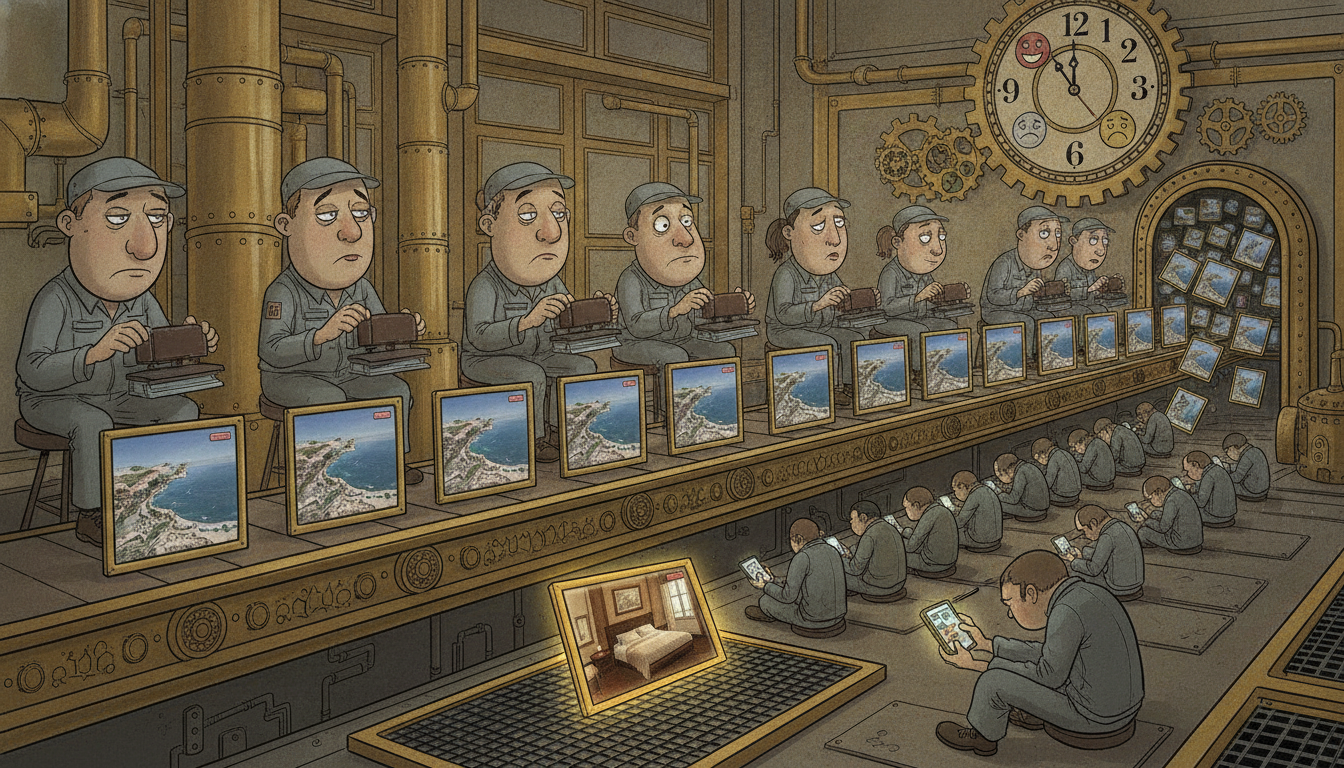
An inventory has never booked a flight
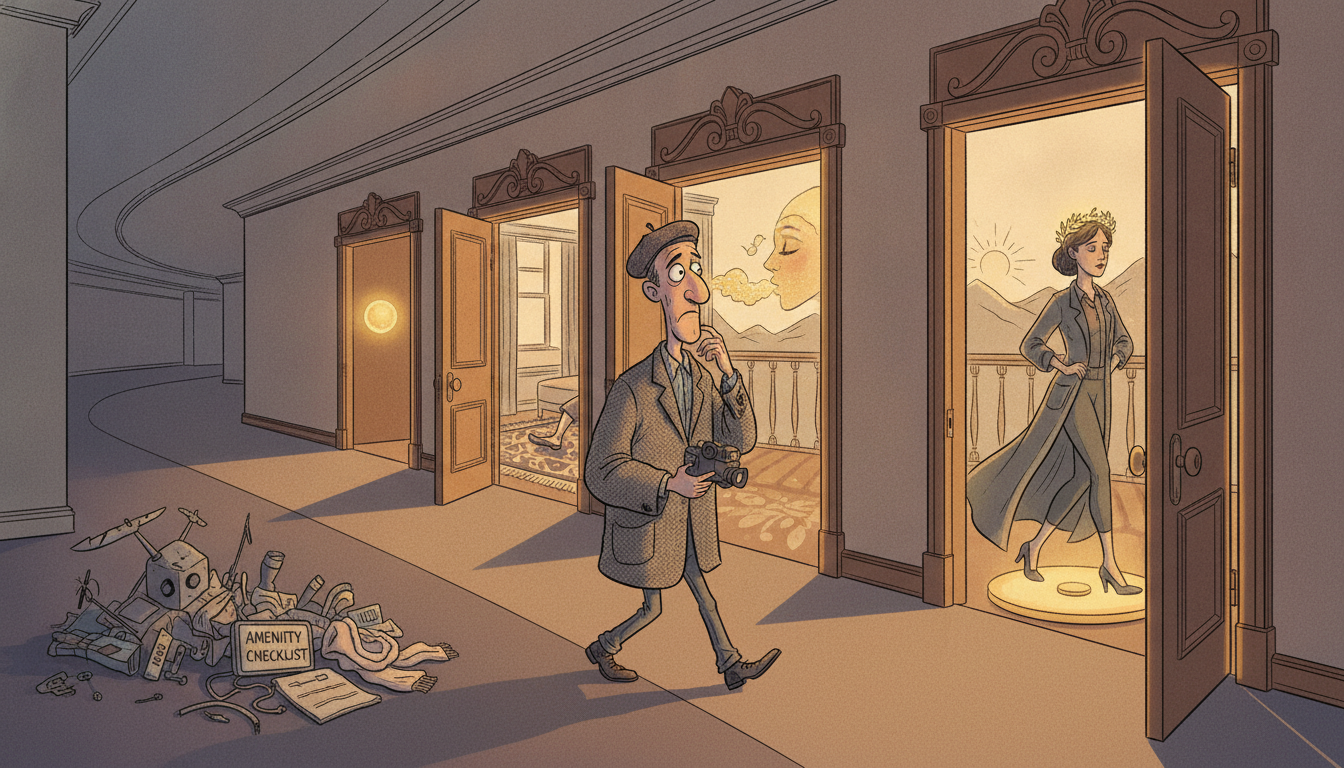
A feature montage feels safe because it is complete. You showed the pool, the rooms, the restaurant, the spa, the beach. Nobody can say you left anything out.
That completeness is the trap. When you show everything, you weight nothing. The guest's brain gets a spreadsheet in motion and files it next to the nine other tabs open on Booking.com. You became comparable. And the moment you are comparable, you compete on price.
That is the whole reason a five-star property ends up discounting itself in the shoulder season. The video trained the buyer to shop features, and features have a going rate.
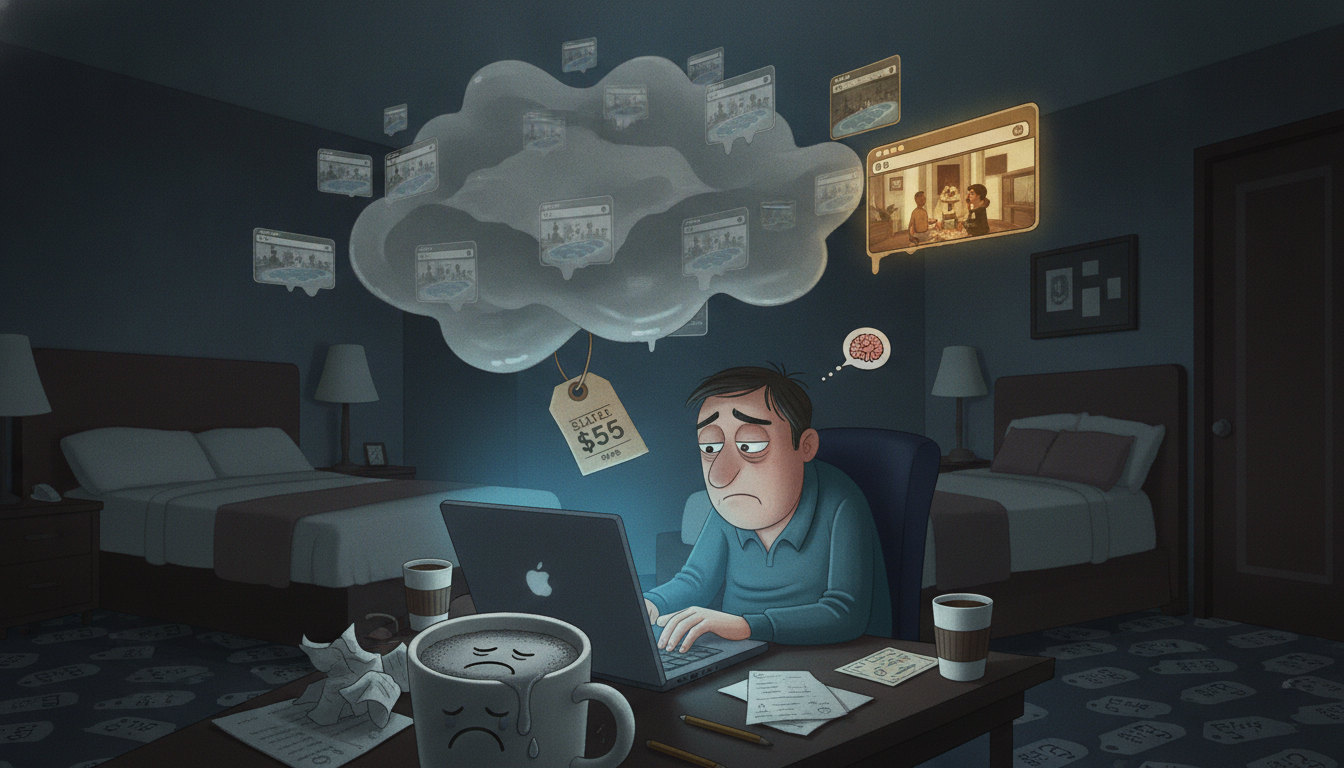
Nobody books a room
Nobody wakes up wanting a 45 square meter room with a rain shower and complimentary breakfast. They want to feel something they are not feeling right now. Rested. Reconnected with the person across the table. Awake. Held. Free of the group chat for six days.
The room is the delivery mechanism. The feeling is the product. When your video sells the delivery mechanism and forgets the product, you are handing the buyer a box and never telling them what is inside.
I know what arrival feels like in my body, not as an abstraction. I came to the United States from Kazakhstan as a child. There is a specific moment when you cross a threshold into a place that is going to change who you are, and your whole nervous system knows it before your mind catches up.
Hospitality is in the threshold business. Every property is selling the crossing from one version of a guest to another. So stop filming the property. Start filming the crossing.
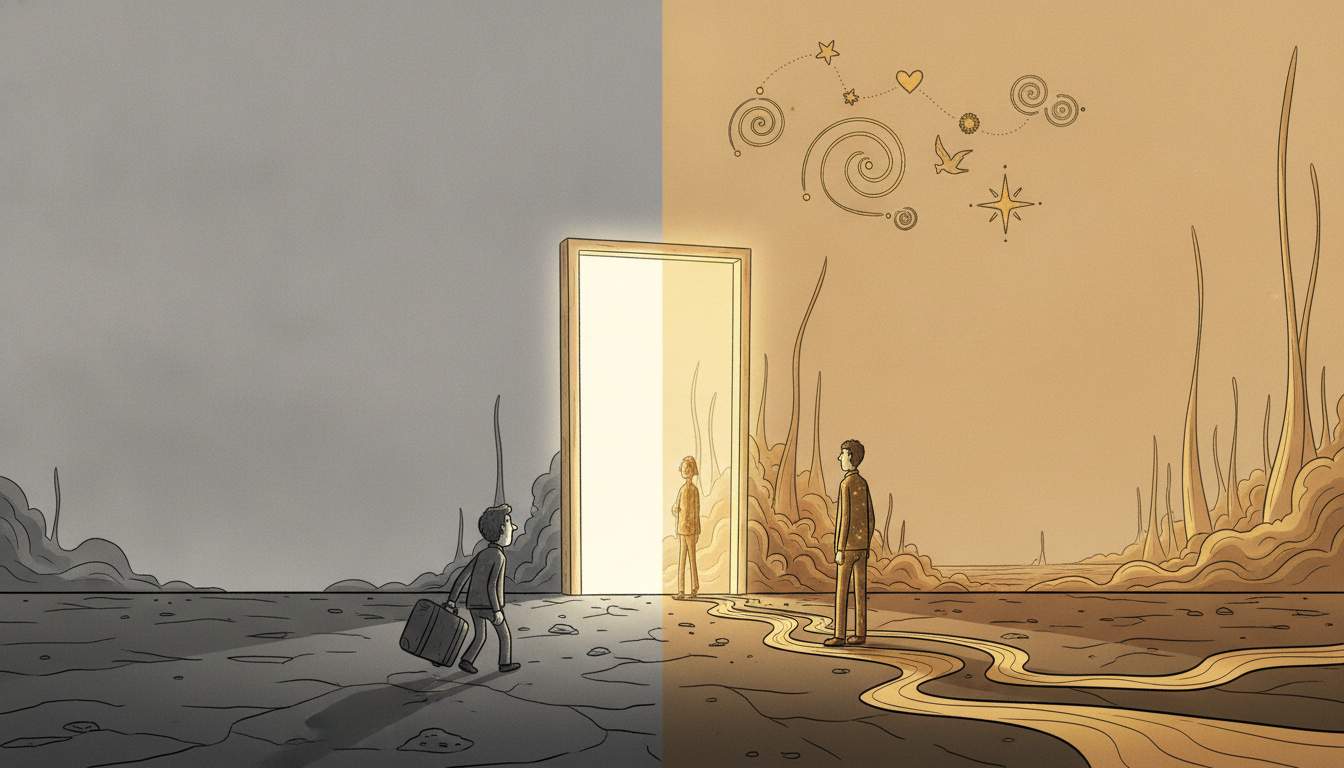
Feelings are the mechanism, not the decoration
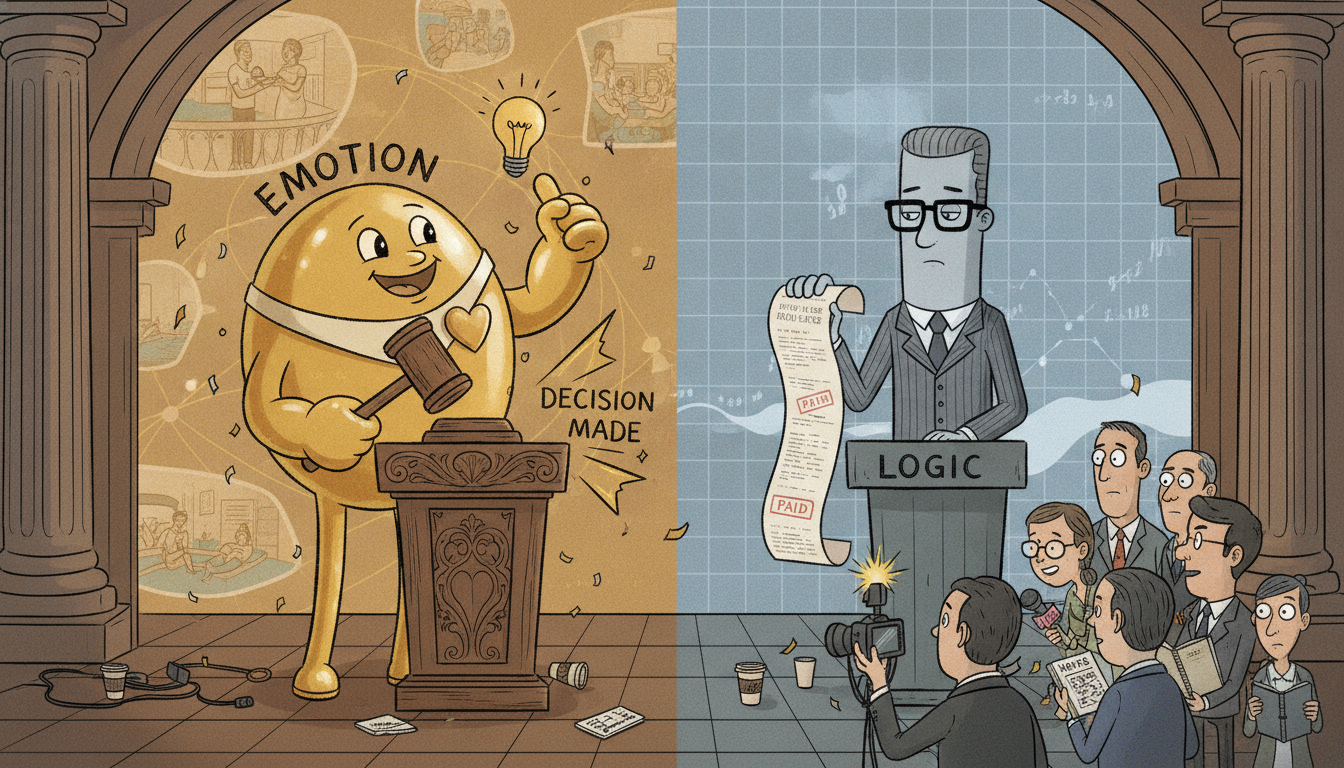
People treat emotion like the soft part of marketing, the thing you add after the real work. It is backwards. Emotion is the decision. The rational brain is the press secretary that explains the decision the emotional brain already made.
This is how memory and choice work. We remember what we felt, and we act on what we remember. A montage produces no feeling, so it produces no memory, so it produces no behavior.
A story produces a feeling that gets encoded, and that encoded feeling is what surfaces three weeks later when the guest is finally ready to book, and yours is the only property they can still feel.
The FEEL Framework
Four moves. Brief every hospitality video against them before anyone picks up a camera. It is the hospitality application of the Story Architecture System, the method behind 237+ brand stories.
F. Find the one feeling. Name the single feeling your best guests come for. One, not five. Escape, restoration, status, romance, belonging. If your video could be swapped with the resort next door, you have no feeling, you have a list.
E. Enter as the guest. Shoot the guest's transformation, not the property's inventory. The camera should behave like a person arriving and being changed, not a drone taking attendance of the amenities.
E. Earn it with a moment. Replace the montage with one true story beat, held long enough to feel. The exhale on the first morning. The kid who will not leave the pool. Specific is what the brain remembers. Generic beauty is what it forgets.
L. Land on the behavior. End on the after-image that triggers the booking, then remove every ounce of friction. Do not close on your logo. Close on who the guest becomes, so the feeling peaks last. Then make the next step obvious and easy.
Before you reshoot anything
You already have a video. Before you spend a dollar reshooting it, find out what it is actually selling.
Send me your current hotel or resort video and I will give it a free Story Gap read: the one feeling it should own, where it is leaking into a feature list, and the single change that would make a guest feel the crossing instead of scanning the amenities. No pitch. Just the read.
Here's to your next story, George V.K.
FAQ
Why don't most hotel and resort videos lead to bookings? Because they are amenity montages. They show the pool, the lobby, the room, and the view, which makes the property comparable to every other property and trains the buyer to shop on price. Bookings come from feeling, not from a feature checklist.
A video that makes a guest feel the experience they are chasing gets remembered and acted on.
What is the difference between a features video and a story video for a hotel? A features video lists what the property has. A story video shows the transformation a guest goes through, from who they are when they arrive to who they become by day two. Features are comparable and forgettable.
A story is specific and memorable, and memory is what produces a booking weeks later.
Do hospitality brand films actually increase direct bookings? A film built on a single clear feeling gives a property an emotional reason to book direct, which the OTAs cannot replicate. When your video makes a guest feel the experience, you stop competing on price and start competing on desire, where direct bookings live.
How long should a hotel brand video be? Long enough to make a guest feel one thing, and no longer. Most properties are better served by 60 to 90 seconds that own a single feeling than by a three-minute tour that owns none.
What is the FEEL Framework? A four-move method for hospitality video: Find the one feeling, Enter as the guest, Earn it with a moment, Land on the behavior. It is the hospitality application of the Story Architecture System.